
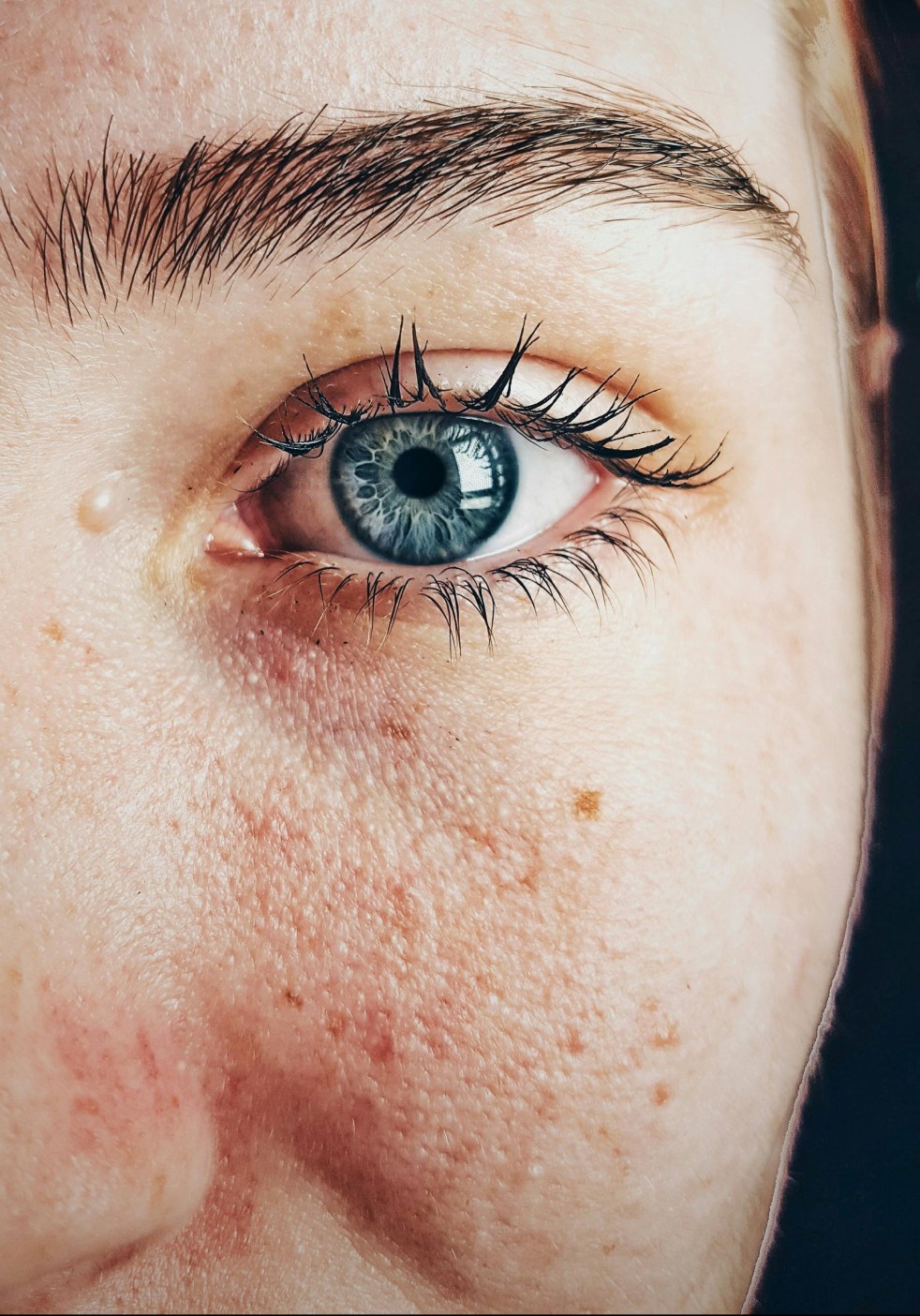
The Ultimate Guide to Understanding Pigmentation: Causes, Treatments, and Prevention
Are you tired of dealing with uneven skin tone and dark spots? Understanding pigmentation is the first step to achieving a flawless complexion. In this ultimate guide, we will explore the causes, treatments, and prevention of pigmentation.
Pigmentation occurs when patches of skin become darker than the surrounding areas. It is commonly caused by an overproduction of melanin, the pigment that gives color to our skin, hair, and eyes. Hormonal changes, sun exposure, aging, and genetics are all factors that can contribute to pigmentation issues.
Luckily, there are a variety of treatments available to help reduce and even out pigmentation. From topical creams to laser therapy, we will delve into the most effective and innovative treatments on the market. Additionally, we will provide you with practical tips on how to prevent pigmentation and maintain a radiant complexion.
Whether you are looking to understand the science behind pigmentation or seeking solutions to combat your own skin concerns, this ultimate guide has got you covered. Get ready to embark on a journey towards luminous and even-toned skin.
Understanding the causes of pigmentation
Pigmentation is a common skin concern that affects people of all ages and skin types. To effectively address pigmentation, it is important to understand its underlying causes. One of the main causes of pigmentation is an overproduction of melanin, the pigment responsible for the color of our skin, hair, and eyes.
Hormonal changes, such as those that occur during pregnancy or while taking certain medications, can trigger an increase in melanin production, leading to pigmentation issues. This type of pigmentation is commonly referred to as melasma or the “mask of pregnancy.” It typically appears as dark patches on the face, particularly on the forehead, cheeks, and upper lip.
Sun exposure is another major contributor to pigmentation. When the skin is exposed to the sun, it produces more melanin as a defense mechanism to protect itself from harmful UV rays. However, excessive sun exposure can lead to an uneven distribution of melanin, resulting in dark spots and freckles.
Aging also plays a role in the development of pigmentation. As we age, the production of melanin becomes less regulated, leading to an accumulation of pigment in certain areas of the skin. This can result in age spots or liver spots, which are small, dark patches that typically appear on the hands, face, and neck.
Genetics can also influence pigmentation. Some individuals may be more prone to developing pigmentation issues due to their genetic predisposition. If your parents or close relatives have experienced pigmentation problems, you may be more likely to experience them as well.
Different types of pigmentation
Pigmentation can manifest in various forms, each with its own distinct characteristics. It is important to differentiate between different types of pigmentation in order to determine the most appropriate treatment approach.
Melasma is a common type of pigmentation that is characterized by dark patches on the face. It is often triggered by hormonal changes and is more prevalent in women, especially during pregnancy or while taking hormonal medications. Melasma typically fades on its own after pregnancy or with the cessation of hormonal treatments, but it can persist for some individuals.
Freckles are another type of pigmentation that is often associated with sun exposure. They are small, flat spots that are usually light brown or tan in color. Freckles are more commonly found in fair-skinned individuals and tend to darken with sun exposure. While freckles are generally harmless, they can be a cosmetic concern for some people.
Age spots, also known as liver spots or solar lentigines, are dark spots that appear on sun-exposed areas of the skin, such as the hands, face, and neck. They are typically flat and vary in size and color. Age spots are a result of cumulative sun damage over time and are more common in older individuals.
Post-inflammatory hyperpigmentation (PIH) is a type of pigmentation that occurs after the skin has experienced inflammation or trauma, such as acne, burns, or cuts. PIH appears as dark spots or patches that can range in color from light brown to black. It is a temporary condition that usually fades over time but can take several months to resolve completely.
Common misconceptions about pigmentation
There are several misconceptions surrounding pigmentation that can lead to confusion and misinformation. It is important to debunk these myths in order to have a better understanding of pigmentation and its treatment options.
One common misconception is that pigmentation can only affect individuals with darker skin tones. While it is true that pigmentation is more noticeable in individuals with more melanin in their skin, it can affect people of all skin types. Fair-skinned individuals are also susceptible to pigmentation, especially freckles and sunspots.
Another misconception is that pigmentation issues can be resolved overnight. The truth is that treating pigmentation requires patience and consistency. It can take weeks or even months to see noticeable improvements, depending on the severity of the pigmentation and the chosen treatment approach.
Some people believe that sun exposure can help fade pigmentation. While the sun can temporarily darken pigmented areas, it can also worsen the condition in the long run. Sun exposure can trigger the production of more melanin, leading to further pigmentation issues. It is crucial to protect the skin from the sun’s harmful rays by wearing sunscreen and seeking shade whenever possible.
Lastly, there is a misconception that pigmentation is untreatable. While pigmentation can be stubborn and challenging to treat, there are numerous treatment options available that can help reduce and even eliminate pigmented areas. It is important to consult with a dermatologist or skincare professional to determine the most suitable treatment plan for your specific pigmentation concerns.
Treatment options for pigmentation
When it comes to treating pigmentation, there is no one-size-fits-all approach. The most effective treatment option will depend on the type and severity of the pigmentation, as well as individual factors such as skin type and sensitivity.
Topical creams and serums containing ingredients such as retinoids, vitamin C, and kojic acid are commonly used to lighten pigmented areas. These ingredients work by inhibiting melanin production and promoting skin cell turnover. It is important to follow the instructions provided by the product and be consistent with application to achieve optimal results.
Chemical peels are another popular treatment option for pigmentation. A chemical solution is applied to the skin, causing the top layers to peel off, revealing fresher and more evenly toned skin underneath. Chemical peels can be customized to suit different skin types and pigmentation concerns. They can help improve the appearance of melasma, freckles, and age spots.
Laser therapy is a more advanced treatment option that utilizes laser technology to target and break down pigmented cells. This treatment is particularly effective for stubborn pigmentation and can provide significant results after multiple sessions. Laser therapy can be used to treat various types of pigmentation, including melasma, freckles, and age spots.
Microneedling is a minimally invasive procedure that involves creating tiny punctures in the skin using a device with fine needles. This stimulates collagen production and promotes the regeneration of new skin cells, resulting in a more even skin tone. Microneedling can be combined with topical treatments to enhance their effectiveness in treating pigmentation.
It is important to note that some treatments may require multiple sessions and maintenance treatments to achieve desired results. It is advisable to consult with a dermatologist or skincare professional to determine the most suitable treatment plan for your specific pigmentation concerns.
Prevention and maintenance tips for pigmentation
Preventing pigmentation is key to maintaining a radiant and even-toned complexion. Here are some practical tips to help prevent and manage pigmentation:
1. Sun protection: The most important step in preventing pigmentation is to protect your skin from the sun’s harmful rays. Wear sunscreen with a high SPF every day, even on cloudy days, and reapply every two hours when exposed to direct sunlight. Additionally, wear protective clothing, such as wide-brimmed hats and long-sleeved shirts, and seek shade whenever possible.
2. Avoid excessive sun exposure: Limit your time in the sun, especially during peak hours when the sun’s rays are strongest. If you must be outdoors, seek shade and wear protective clothing to minimize sun exposure.
3. Use skincare products with brightening ingredients: Incorporate skincare products that contain brightening ingredients, such as vitamin C, niacinamide, and licorice extract, into your daily routine. These ingredients can help prevent and reduce pigmentation by inhibiting melanin production and promoting a more even skin tone.
4. Avoid picking or scratching at the skin: Picking or scratching at the skin can lead to inflammation and post-inflammatory hyperpigmentation. Resist the urge to pick at blemishes or scabs, and treat any skin conditions, such as acne, promptly to minimize the risk of pigmentation.
5. Maintain a healthy lifestyle: Eating a balanced diet, exercising regularly, and getting enough sleep can have a positive impact on your skin’s overall health and appearance. A healthy lifestyle can help prevent pigmentation and promote a radiant complexion.
6. Manage hormonal changes: If you are experiencing hormonal changes, such as during pregnancy or while taking medications, it is important to consult with a healthcare professional to manage these changes effectively. Hormonal imbalances can contribute to pigmentation, so it is important to address them to prevent or minimize pigmentation issues.
By following these prevention and maintenance tips, you can reduce the likelihood of developing pigmentation and maintain a more even and radiant complexion.
Recommended skincare products for pigmentation
When it comes to treating pigmentation, using the right skincare products is essential. Here are some recommended products that can help fade pigmentation and promote a more even skin tone:
1. Vitamin C serums: Vitamin C is a powerful antioxidant that can help lighten pigmented areas and promote a brighter complexion. Look for serums that contain a stable form of vitamin C, such as L-ascorbic acid, and apply them daily to clean, dry skin. My recommendation is: Sympli Beautiful Serumdipity Vitamin C Facial Serum
2. Retinoids: Retinoids, such as retinol and tretinoin, are derivatives of vitamin A that can help improve the appearance of pigmentation by promoting skin cell turnover. Start with a low concentration and gradually increase as tolerated to minimize skin irritation. My recommendation is: Sympli Beautiful Serumdipity Retinol Vitamin A Facial Serum
3. Niacinamide: Niacinamide, also known as vitamin B3, has been shown to have brightening and anti-inflammatory properties. Look for serums or moisturizers that contain niacinamide and incorporate them into your skincare routine. My recommendation is: The Ordinary Niacinamide 10% + Zinc 1% Serum
4. Alpha hydroxy acids (AHAs): AHAs, such as glycolic acid and lactic acid, can help exfoliate the skin and promote a more even skin tone. Incorporate products containing AHAs into your skincare routine, such as toners or exfoliating pads, to help fade pigmentation. You can also try Sympli Beautiful Juice Apple AHA Skin Perfecting Peel
It is important to note that everyone’s skin is unique, and what works for one person may not work for another. It is advisable to consult with a skincare professional or dermatologist to determine the most suitable products for your specific pigmentation concerns and skin type.
Did you like the post? I would love for you to invite friends to read it too

Follow This Blog: Facebook

The Best Vegan Multivitamins in the UK? My Honest Review of Together Health
From daily wellness to pregnancy and menopause support, discover Together Health’s vegan multivitamins, made from whole-food, plant-based ingredients.
Keep readingHealth MOT Home Blood Test Kit – Easy At-Home Health Check with 20% Off
Check your health from home with Rainbow’s Health MOT home blood test kit. Fast results, easy testing, and now 20% off with code HMOT20. Order today and take control of your health.
Keep reading
How I Added a Little More Calm and Joy to My Day and Kept It Going
I found a simple daily ritual that changed my mindset – a few mindful minutes each morning to feel calmer, happier, and more present. Discover how you can bring more joy and intention into your everyday life.
Keep reading
Together Health – The Supplement Brand I Keep Recommending to Friends
My honest review of Together Health – clean, vegan, whole-food supplements that are as kind to your body as they are to the planet.
Keep reading
Rainbow Blood Tests from Home – Everything You Need to Know
Discover Rainbow Laboratories – a UK based telehealth platform offering fast and accurate blood tests from the comfort of your home. Book online, get professional sample collection at your doorstep, and receive doctor interpreted results within 48 to 72 hours. Take control of your health with personalized insights and a wide range of treatment options.
Keep readingSomething went wrong. Please refresh the page and/or try again.
 iBeauty Blog